Περιγραφή
RESPONSE OVER AMPLITUDE
THE CUE ARRIVES WHILE IT STILL COUNTS
When the rear of the car starts to slide, the cue is only useful in the first moment. QS-TP1 moves early: it reacts to telemetry in under 8 ms, so you feel the slide begin while there is still time to correct it.
Latency: <8 ms
Max velocity (up to): 400 mm/s
Max acceleration (up to): 0.6 G
Excursions: ±30 mm surge / ±8° yaw
THE MOMENT
THE REAR LETS GO
AND THE MOMENT YOU CATCH IT
Every lap has a moment when the rear loosens, the car begins to rotate, and there is still time to catch it. QS-TP1 puts that moment under you. The whole cockpit swings around its nose, the way the car does, so the slide is something you feel through the seat, not only something you see.
Stay with it and the slide stops arriving as a surprise, because you feel it building. Braking and acceleration arrive as weight moving through the seat. The road arrives too, in the kerbs and the changing surface under the wheels.
OVERSTEER
TWO ACTUATORS, ONE FRONT PIVOT
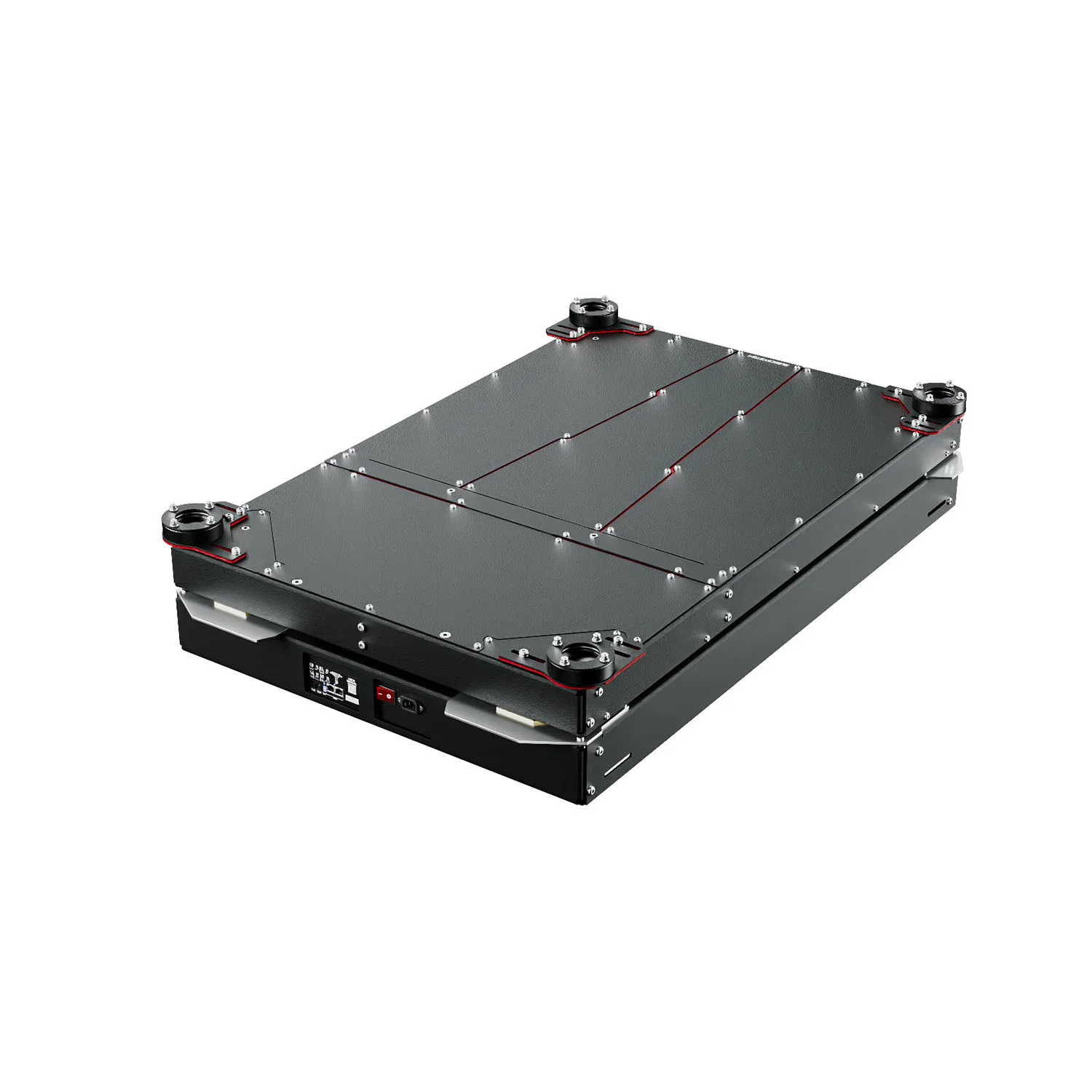
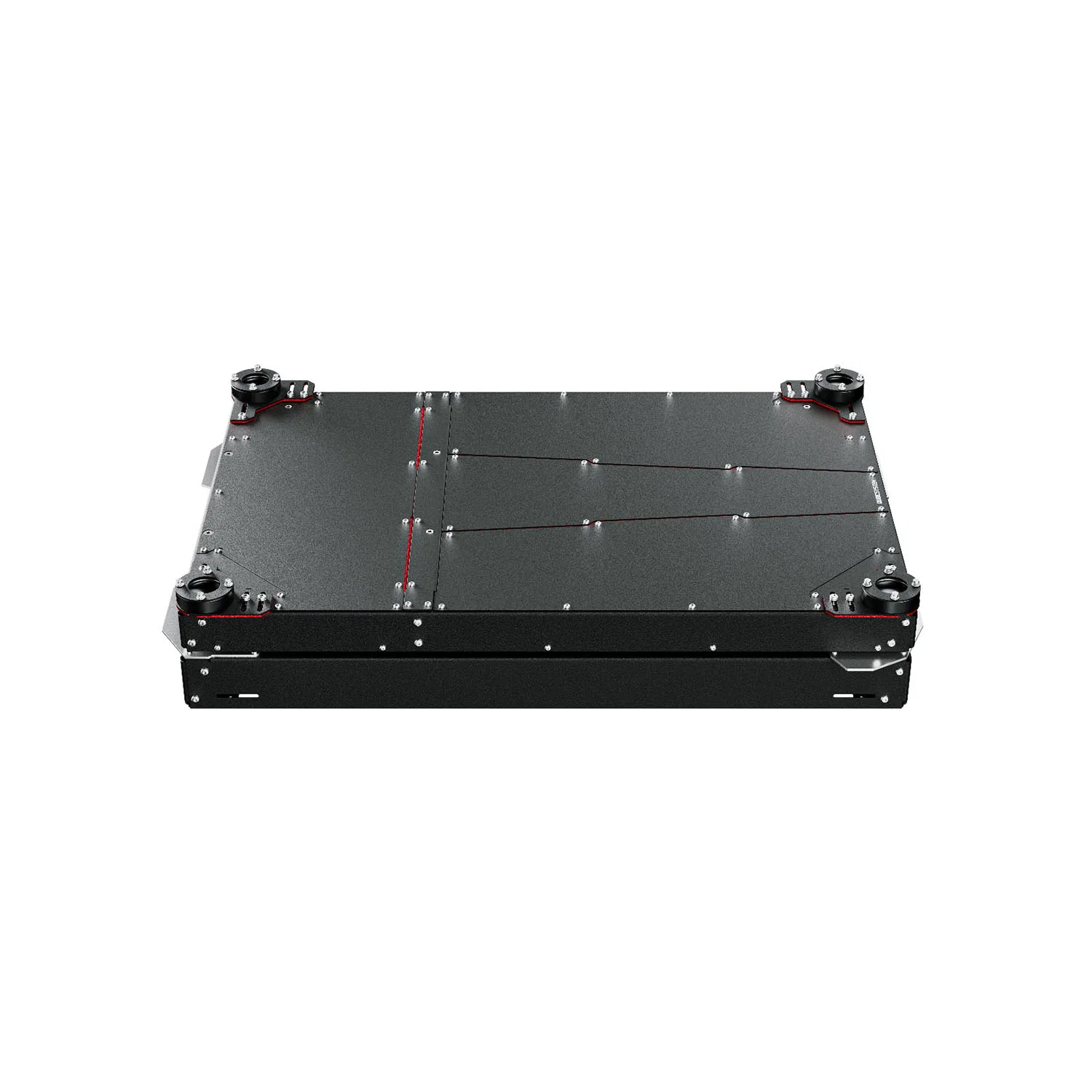
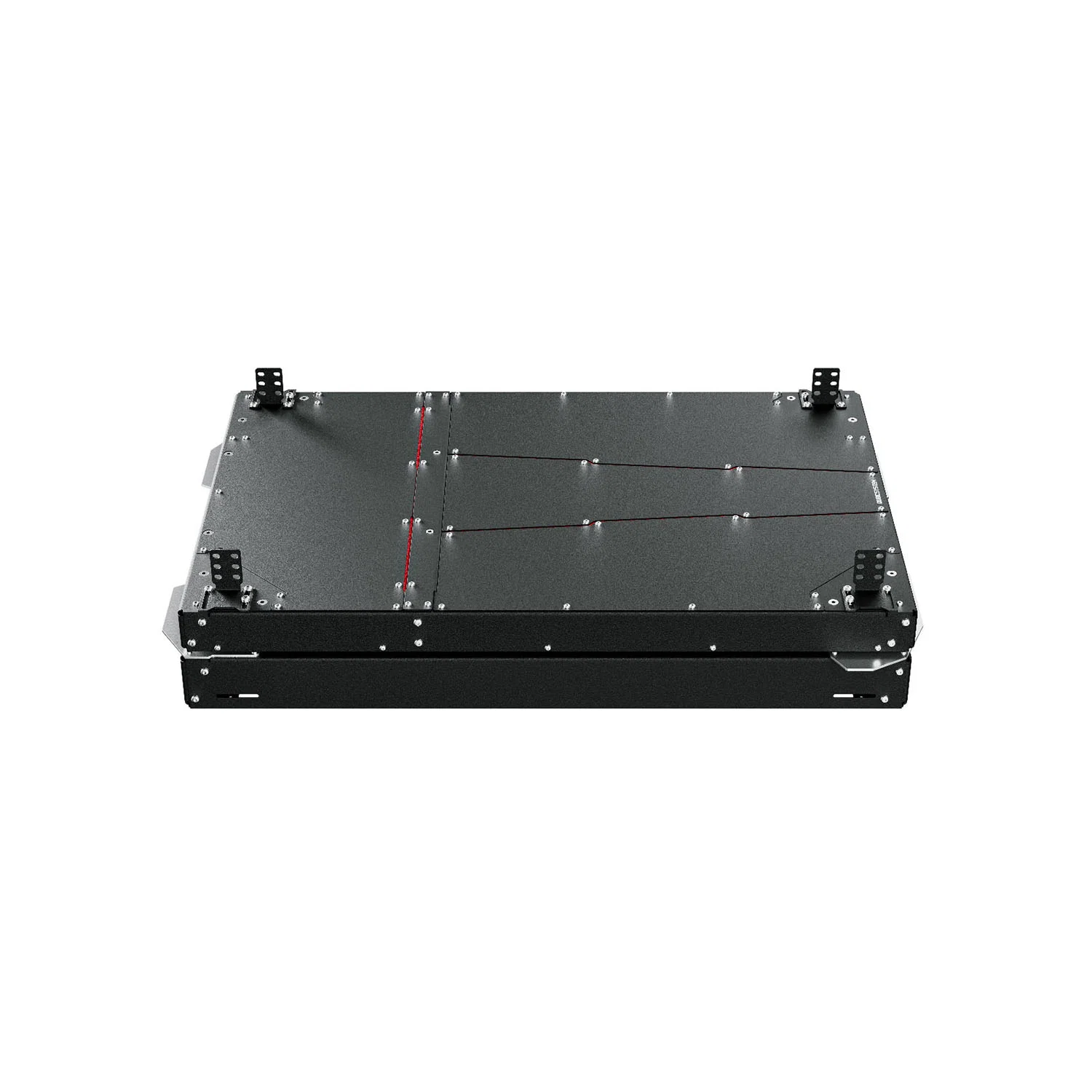
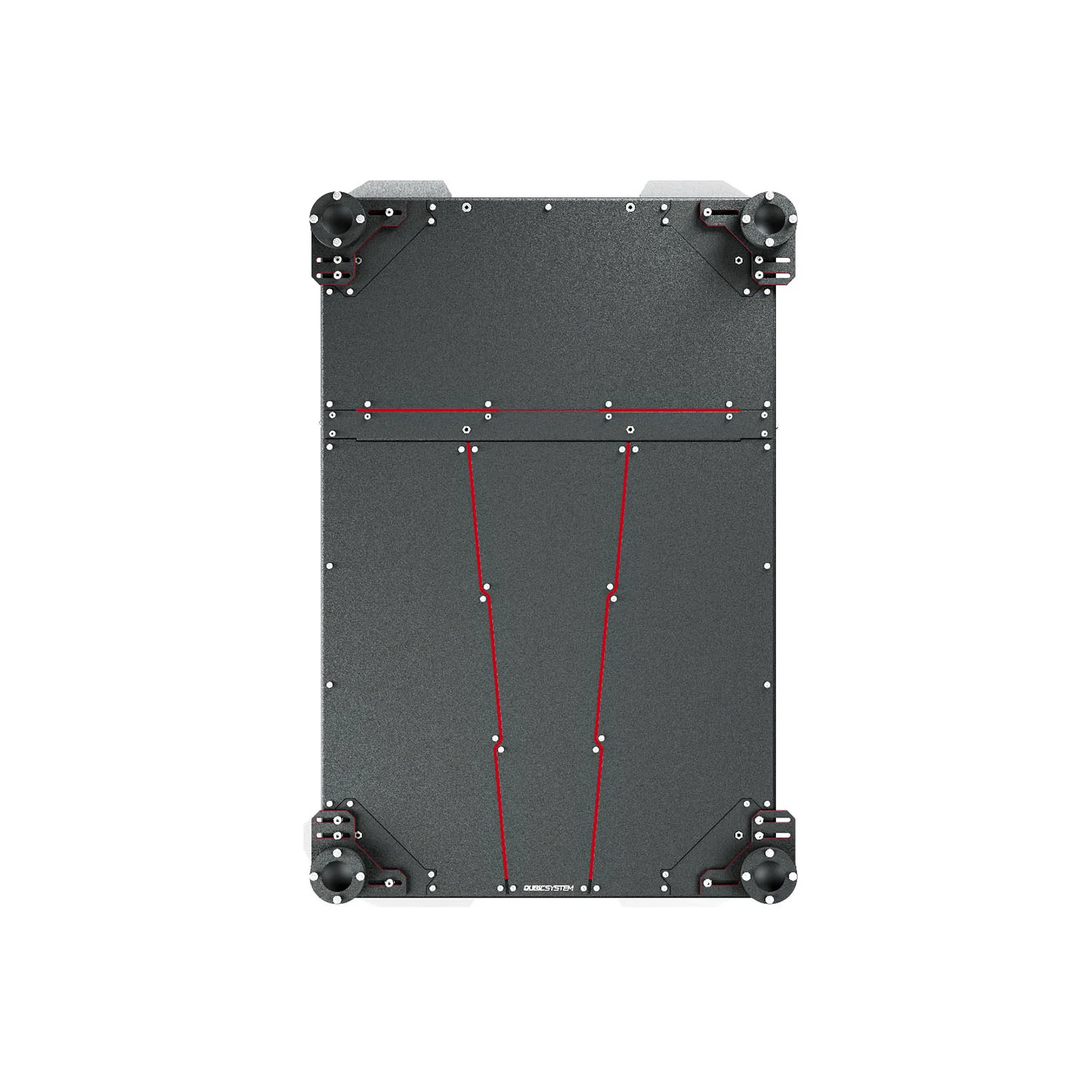
Two actuators run the length of the frame and the front of the platform is a pivot. Drive them together and the cockpit moves lengthwise. Drive them against each other and the rear swings around that fixed point.
That is pure rotation, the shape a real car makes when the rear lets go, and it is why the correction you make on QS-TP1 is the correction you would make on track. With practice the skill becomes yours twice over: catching the slide when it surprises you, and provoking it on purpose when a corner asks for rotation.
special effects
MOTION + HAPTICS
| Racing | QS-TP1 + Cockpit 2 axes |
QS-210/220 3DOF + QS-TP1 5 axes |
|---|---|---|
| Acceleration | ||
| Braking | ||
| Lateral Accelerations | – | |
| Vertical G-Force | – | |
| Body Roll | – | |
| Body Pitch | – | |
| Rumble Strips [*] | ||
| Road Harshness | ||
| Engine Vibrations / Rev Limiter | ||
| Gear Change | ||
| Wheel Slip and Wheel Lock [*] | ||
| Wheel Slip Angle Exceeded Warning [*] | ||
| Side Slip (as yaw) |
[*] Not every game supports it
| Flying | QS-TP1 + Cockpit 2 axes |
QS-210/220 3DOF + QS-TP1 5 axes |
|---|---|---|
| Accelerations | ||
| Braking | ||
| Lateral Accelerations | – | |
| Vertical G-Force | – | |
| Body Roll | – | |
| Body Pitch | – | |
| Engine and Rotor Vibrations [*] | ||
| Cannon Fire / Missile Launch [*] | ||
| Flare / Chaff Dispense [*] | ||
| Effective Transitional Lift [*] | ||
| Stall Shudders / Vortex Ring State [*] | ||
| Positive G Exceeded Warning [*] | ||
| Negative G Exceeded Warning [*] |
[*] Not every game supports it
TWO WAYS TO RUN IT
ONE PLATFORM, DIFFERENT CONFIGURATIONS
QS-TP1 works on its own and keeps working as you expand. Each step adds axes without replacing anything you already bought, and the platform is told which setup it is in with a DIP switch inside the cabinet.
QS-TP1 + COCKPIT
- Traction loss in yaw, braking and acceleration in surge
- Road harshness and rumble strips without a bass shaker
- Runs on its own with a QS-MC6 controller, sold separately
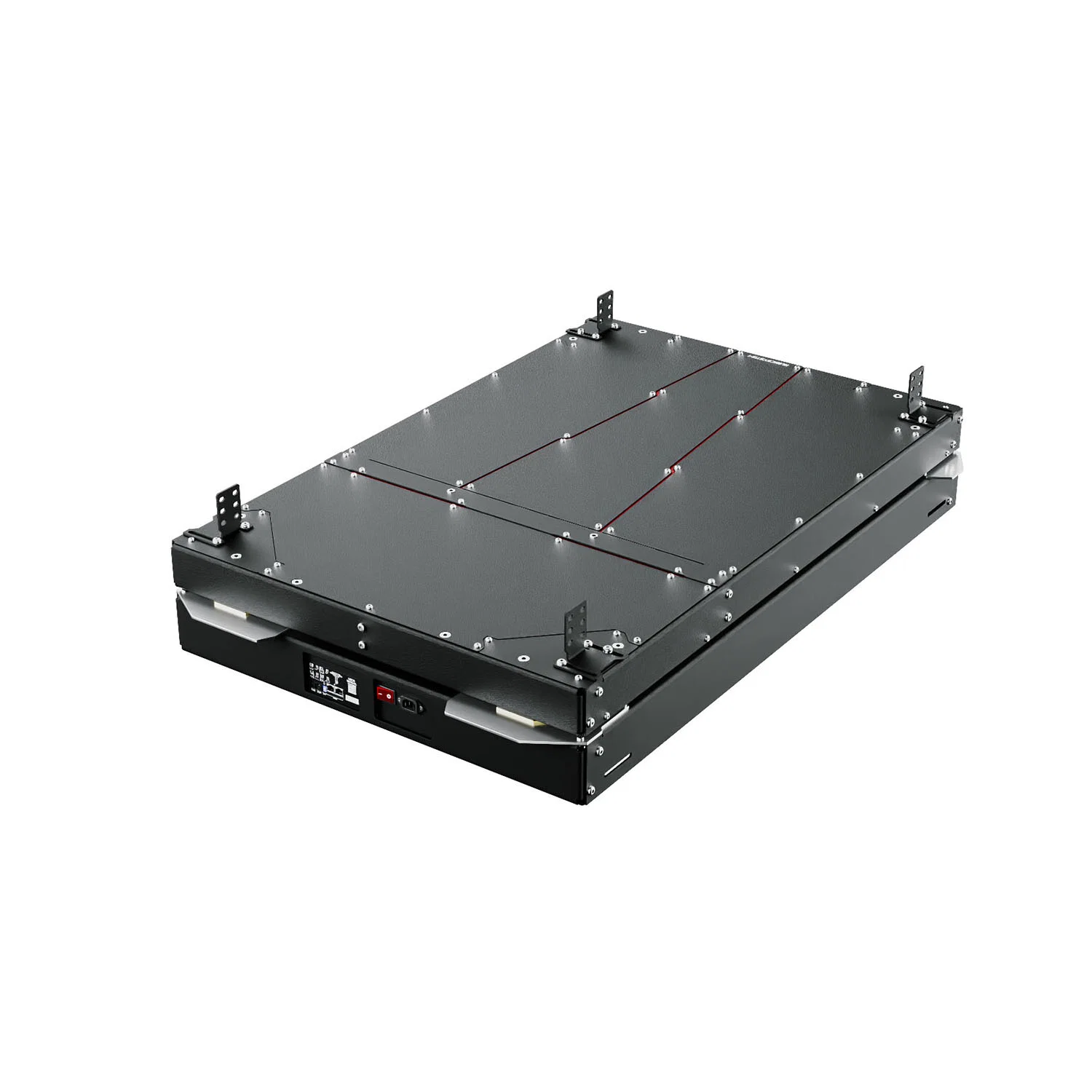
- Mounts to most aluminum cockpits


QS-TP1 + QS-210/220 3DOF
- Everything from the standalone setup, up to five axes in total
- Adds lateral accelerations, vertical G-force, elevation changes and body roll
- Vehicle body rotation handled by QS-210/220, traction loss by QS-TP1
- Less overlapping motion, so each effect stays readable
- Runs on the QS-MC6 you already have
QS-BT1 COMPATIBILITY
TAKE IMMERSION TO THE NEXT LEVEL
With the QS-BT1 belt tensioner, the forces split between two systems. QS-TP1 moves the platform under you in surge and yaw. The belt tensioner works on your shoulders and chest, adjusting seatbelt tension to match acceleration, braking and every motion cue.
Because the two act on different parts of your body, nothing overlaps. Braking arrives as weight through the belts and as movement through the platform at the same time, the way it does in a real car. For flying the pairing works the same: the platform delivers the onset of a force and the belts carry its duration.

YOUR BENCH OR OURS
SAME QS-TP1. YOU CHOOSE WHERE THE HAND-OFF HAPPENS.
Both routes end with the same QS-TP1 under your cockpit. The difference is how much of the assembly you want to take on yourself.
SELF-ASSEMBLY KIT
KNOW IT FROM THE FIRST BOLT
QS-TP1 arrives in three cartons plus the actuator set. You assemble the platform, mount your cockpit and complete the calibration yourself.
Why build it yourself?
- Know the machine you drive on. By the time it moves for the first time, you already know how the platform comes together.
- Guided from start to finish. A detailed step-by-step manual takes you through the complete assembly process, so every stage is clear before you move on to the next.
- Useful knowledge later. If the platform ever needs to be moved, checked or reassembled, the construction is already familiar.
- The build is part of the project. For people who enjoy the mechanical side of sim racing, the experience starts before
PRODUCT DETAILS
| GENERAL SPECIFICATION | |
| PLATFORM HIGHLIGHTS | |
| Architecture | 2DOF |
| Max payload | 250 kg | 551.2 lb |
| Platform weight | 86 kg | 189.6 lb |
| DIMENSIONS | |
| Total length | 127.1 cm | 50.04 in |
| Total width | 85 cm | 33.46 in |
| Total height | 27.3 cm | 10.75 in |
| TOOLS & DOWNLOADABLES | |
| You can find more detailed information in the Product Card | |
| Product Card User Manual Download software Supported Games | |
Επιπρόσθετες Πληροφορίες
| Brand |
|---|